Detail
Review: Partner event Alumni UniBE x Rochester-Bern: Energy of the future: Competitive into the next decade
Alumni UniBE Corporate
17/03/2026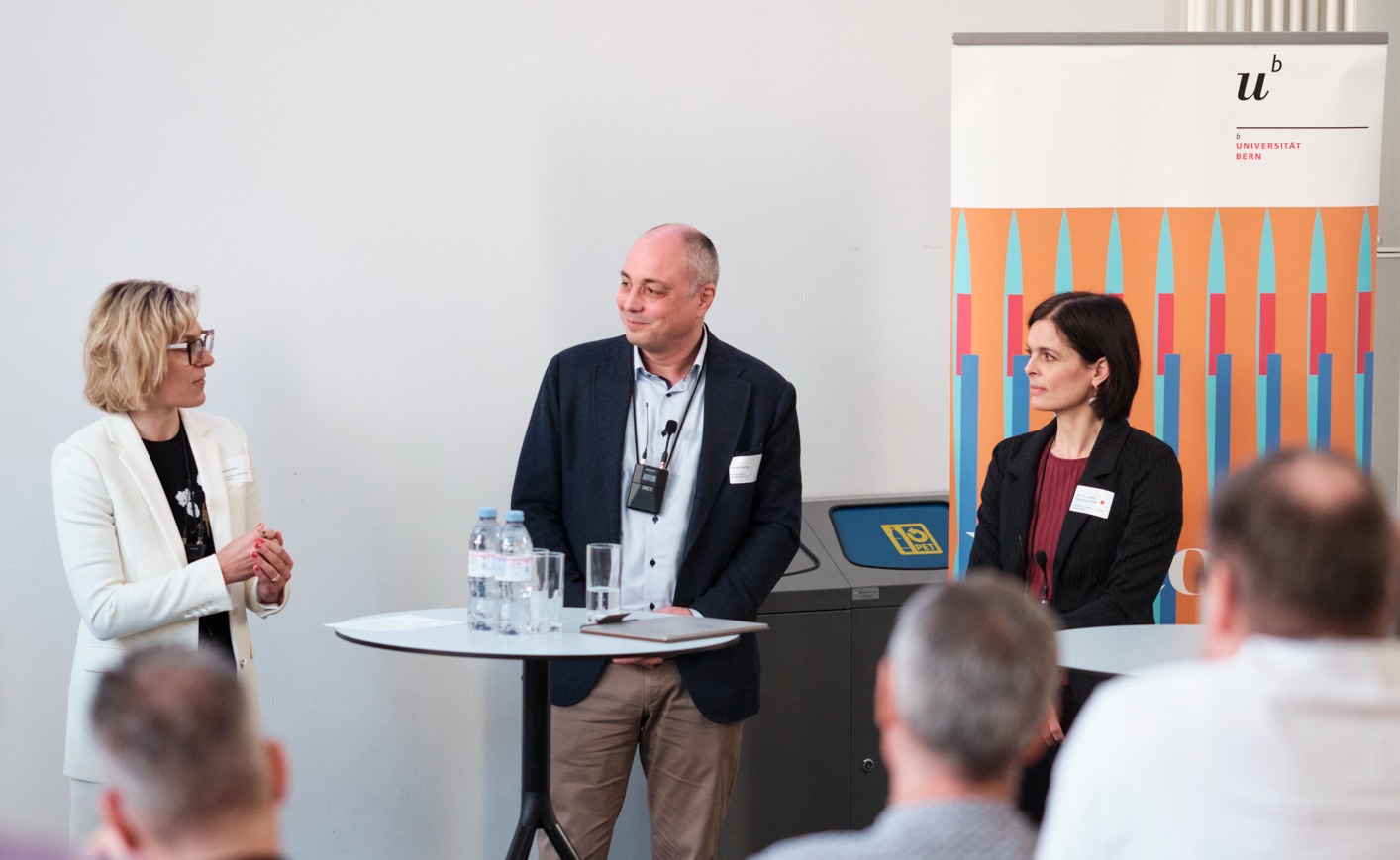
On February 27, 2026, the Swiss energy transition was the focus of an event that brought together decision-makers from politics, business and technology to discuss key issues relating to the future energy supply. The focus was particularly on the role of innovation and regulation as well as the question of how companies can use climate-friendly technologies without jeopardizing their competitiveness.
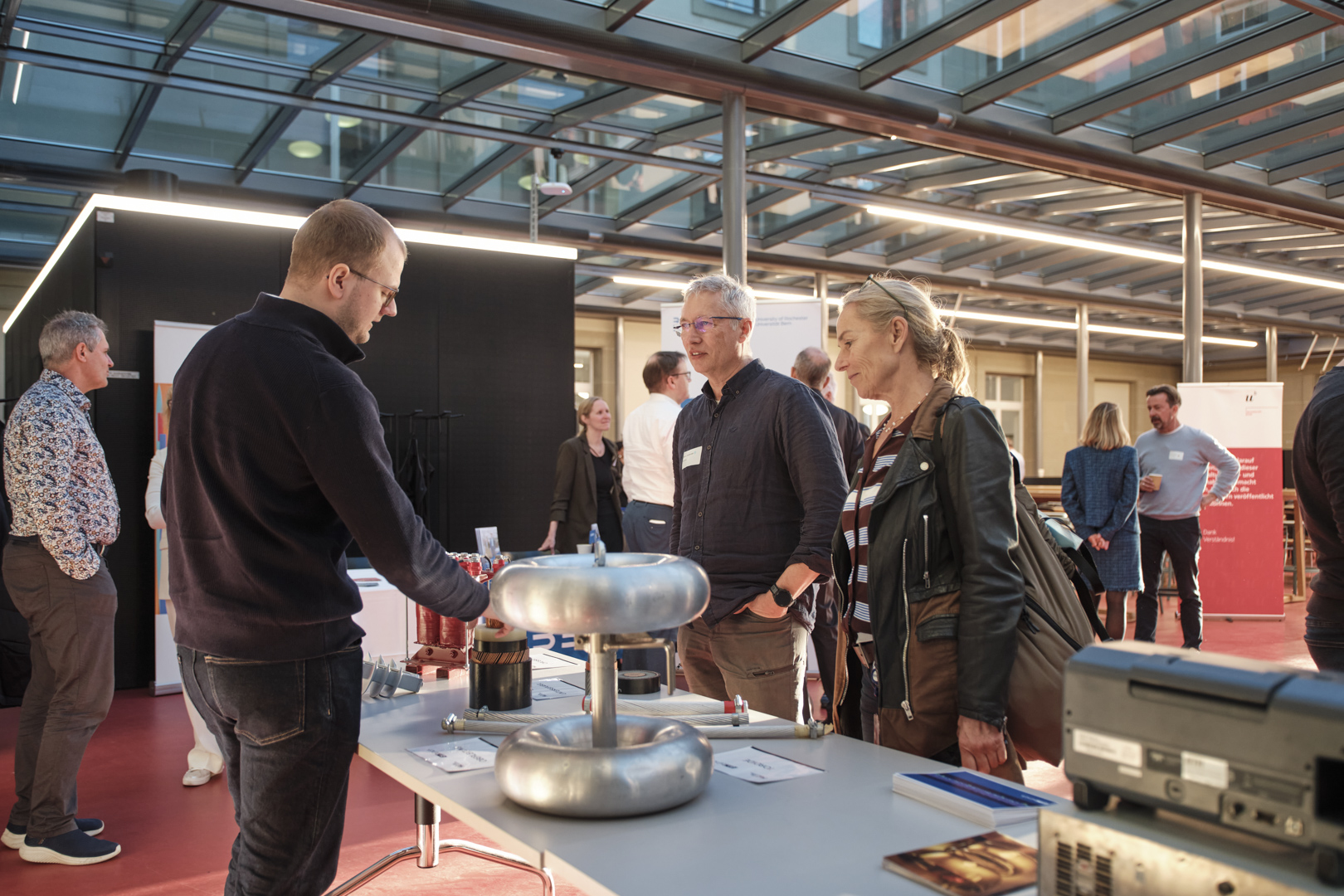
At the beginning of the event, participants were able to experience energy up close by touching and looking at various forms of energy. This vividly demonstrated how diverse energy is in its various forms.
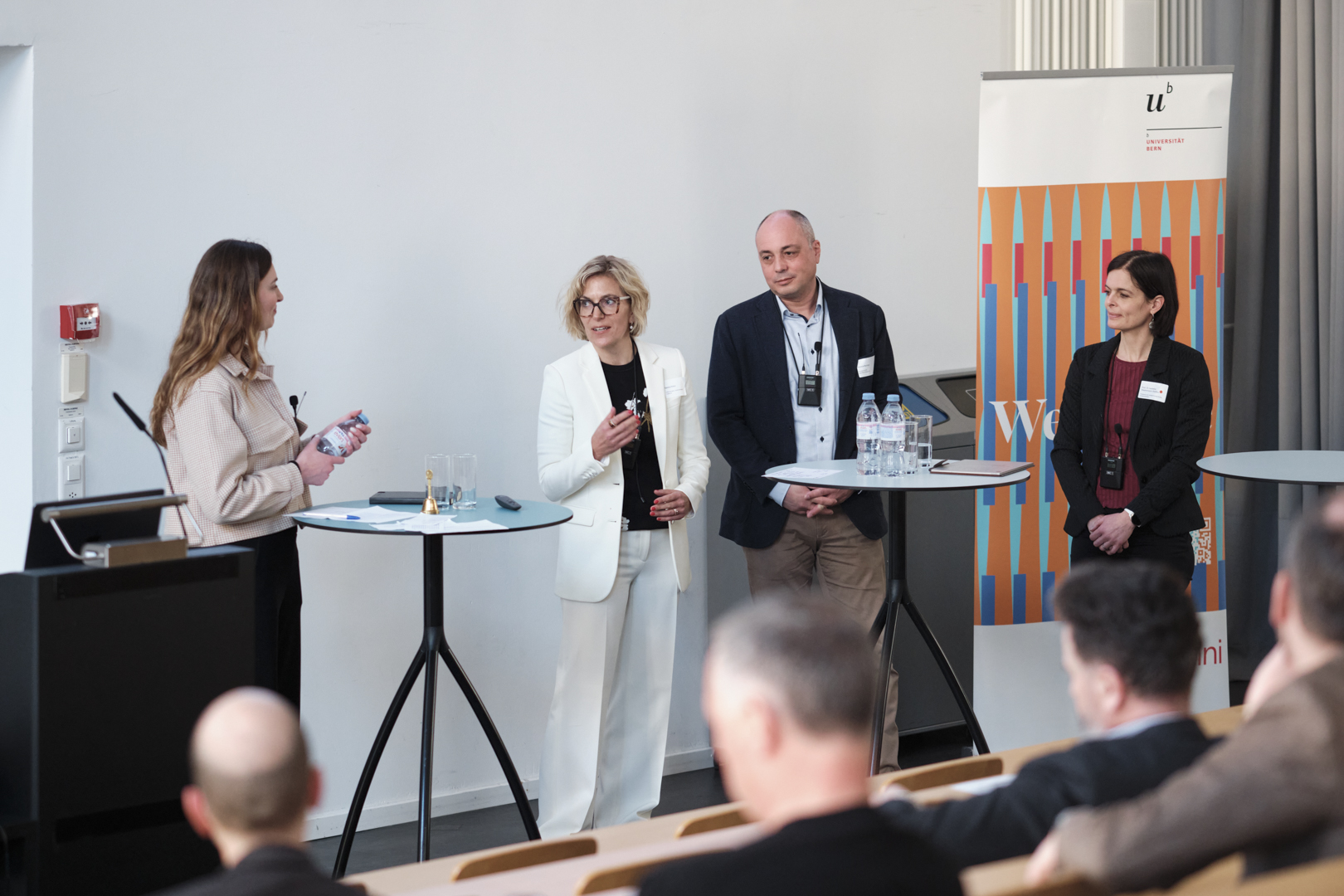
A short keynote speech was followed by debates with experts led by Anina Geiser and Corinna Rutschi from "Unchain Your Mind". These debates highlighted challenges and possible solutions for a secure, sustainable and future-proof energy supply in Switzerland.
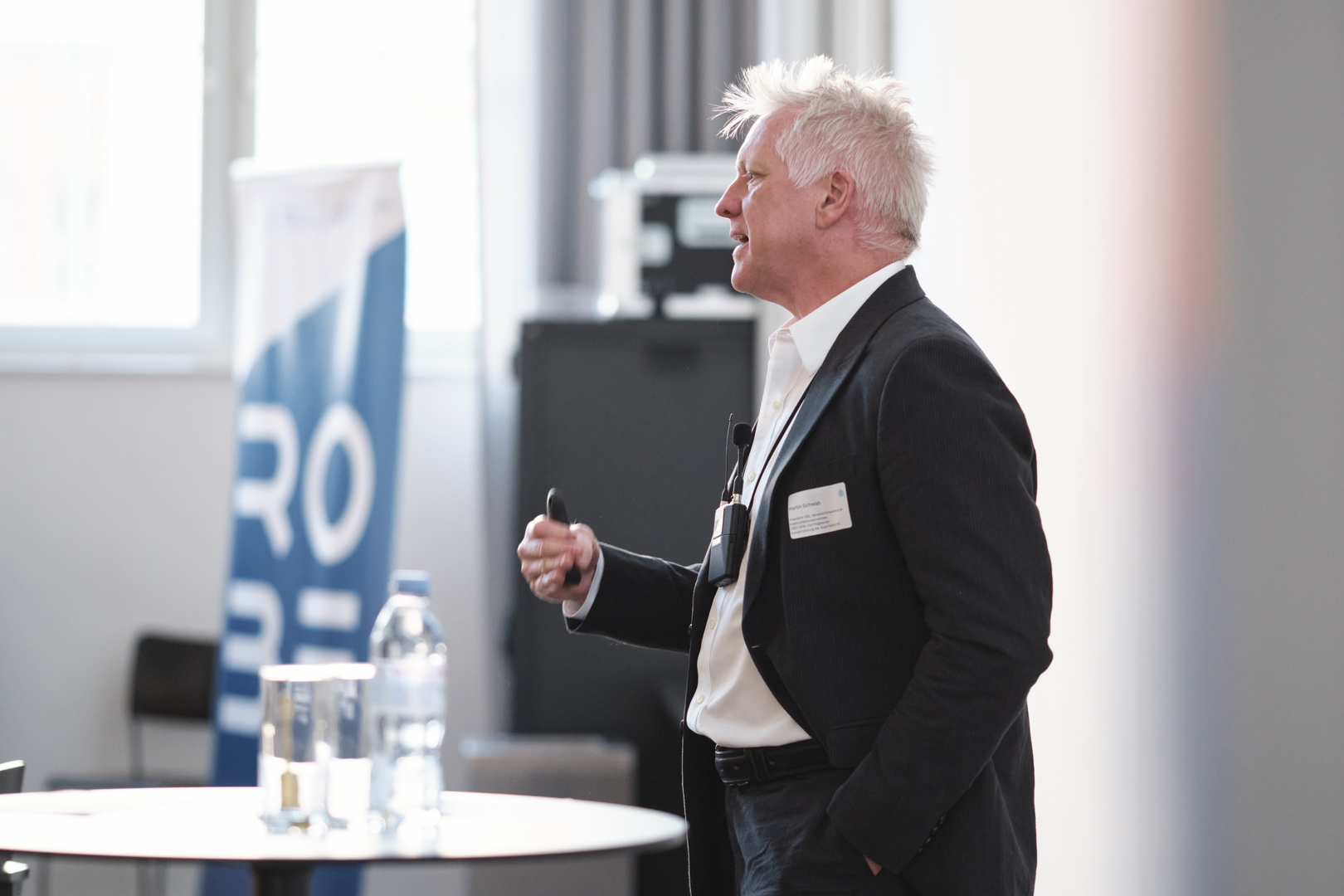
The keynote speech was given by Martin Schwab, VSE President and Managing Director of CKW. He emphasized that Switzerland is facing major challenges, particularly with regard to winter electricity production. Overall, the country is not on track with four out of five key indicators for the development of renewable energies; only photovoltaics is currently on target. The comparison between the current status and the desired targets shows a clear mismatch between the actual and target status.
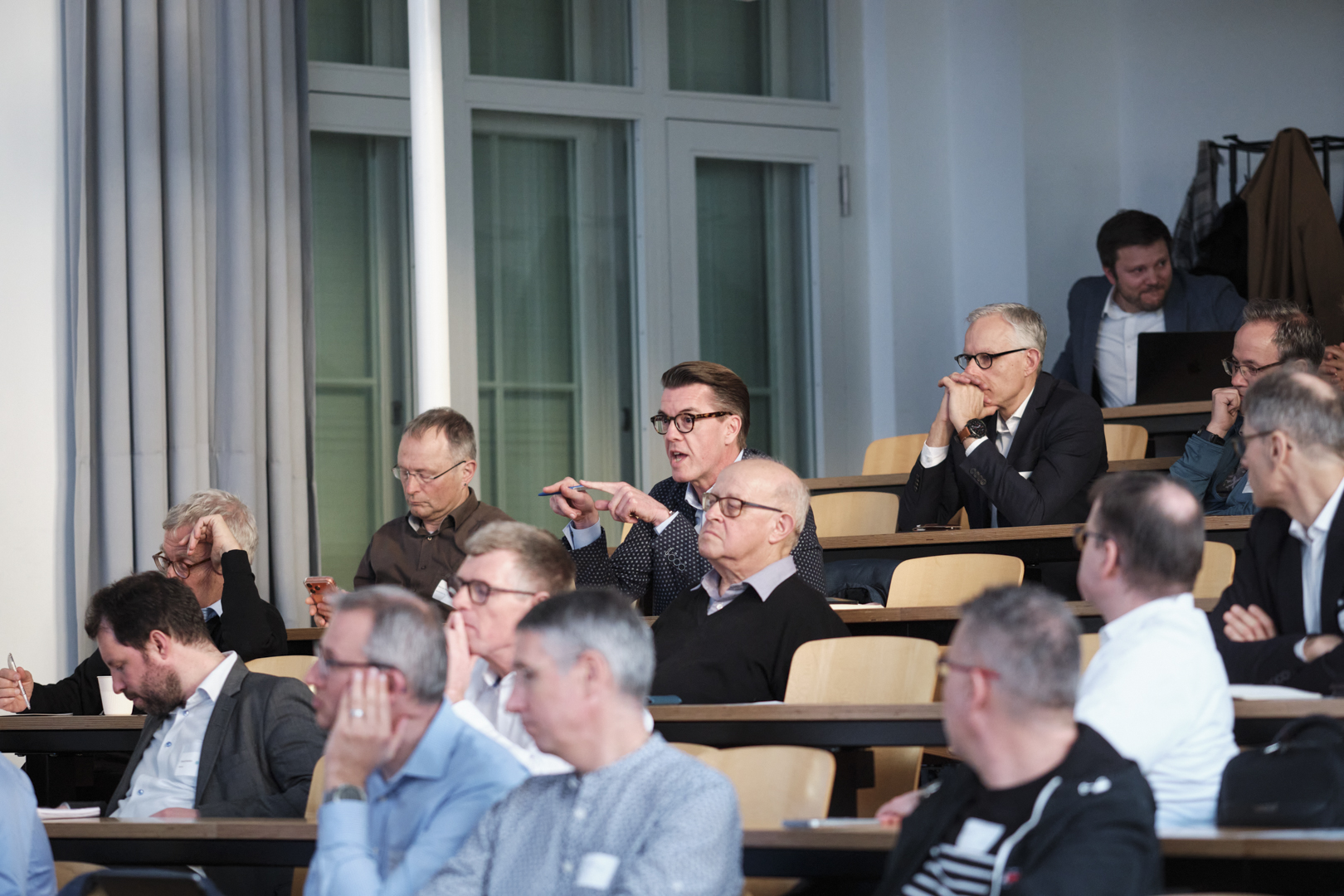
In the first debate on the energy transition in Swiss companies and society, Prof. Dr. Isabelle Stadelmann, Professor of Comparative Politics at the University of Bern, Patrik Richter, founder and CEO of Agile Wind Power AG, and Sandra Trittin, entrepreneur, board member and investor, discussed the current status and future challenges. In principle, the necessary technologies are already available, but companies are under increasing pressure to convert their energy systems. A rethink towards more decentralized structures is seen as necessary. At the same time, energy security remains a key concern, as greater dependence on imports is viewed critically. Nevertheless, popular votes on energy policy issues show that the population is generally open to change.
Implementation was cited as a key challenge. Although there is a certain level of understanding and basic willingness among the population, many projects fail due to specific objections or local resistance. There is often a "yes, but" attitude, where measures are supported in principle but specific projects meet with resistance. In addition, existing legal framework conditions do not always meet the requirements of renewable energies. Overall, it is clear that various factors have to come together at the same time for successful implementation.
In an international comparison, the pressure on companies in Switzerland is lower than in countries such as Germany, France or China. Nevertheless, companies face the challenge of adapting their energy supply in the long term. Possible instruments include photovoltaics, long-term power purchase agreements and the purchase of electricity quotas.
Public acceptance was also discussed. Examples from other countries show that financial incentives or direct benefits for residents can increase approval of energy projects. At the same time, emotional and political factors often play a greater role than purely operational issues. In the long term, however, perceptions could change as younger generations grow up with renewable energy systems.
Another topic was the economic viability of the energy transition. High initial investments, for example in heat pumps, represent a challenge for many households and companies. At the same time, renewable energies are already considered one of the cheapest forms of energy generation, provided suitable regulatory and economic framework conditions are in place. In order to overcome the high initial costs, stronger funding instruments may be necessary.
In conclusion, it was emphasized that the debate should focus more on concrete alternatives. Instead of just discussing individual projects, it should also be taken into account that inaction also has consequences. Clear regulatory framework conditions, the willingness to take certain risks and a pragmatic approach to implementation are crucial.
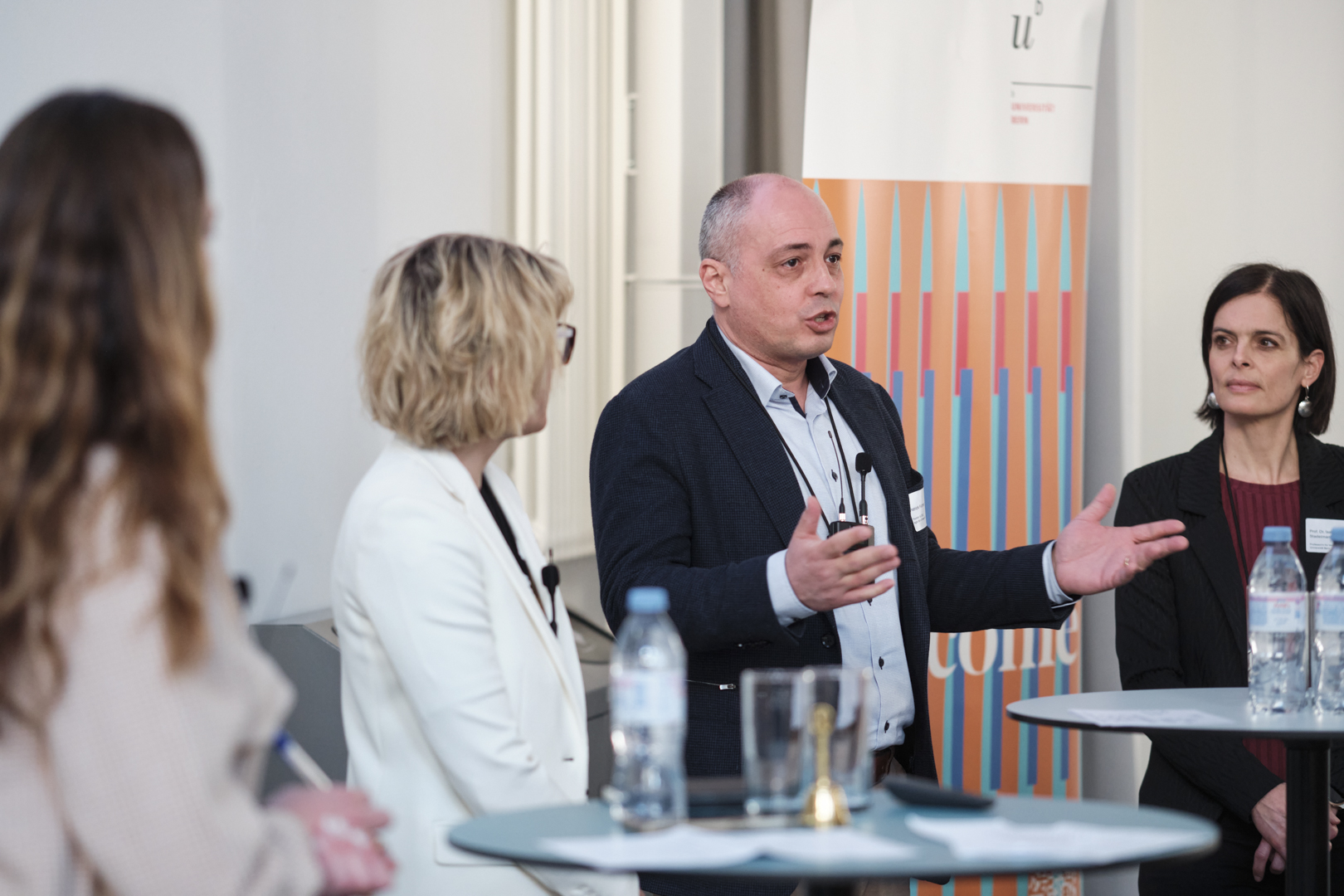
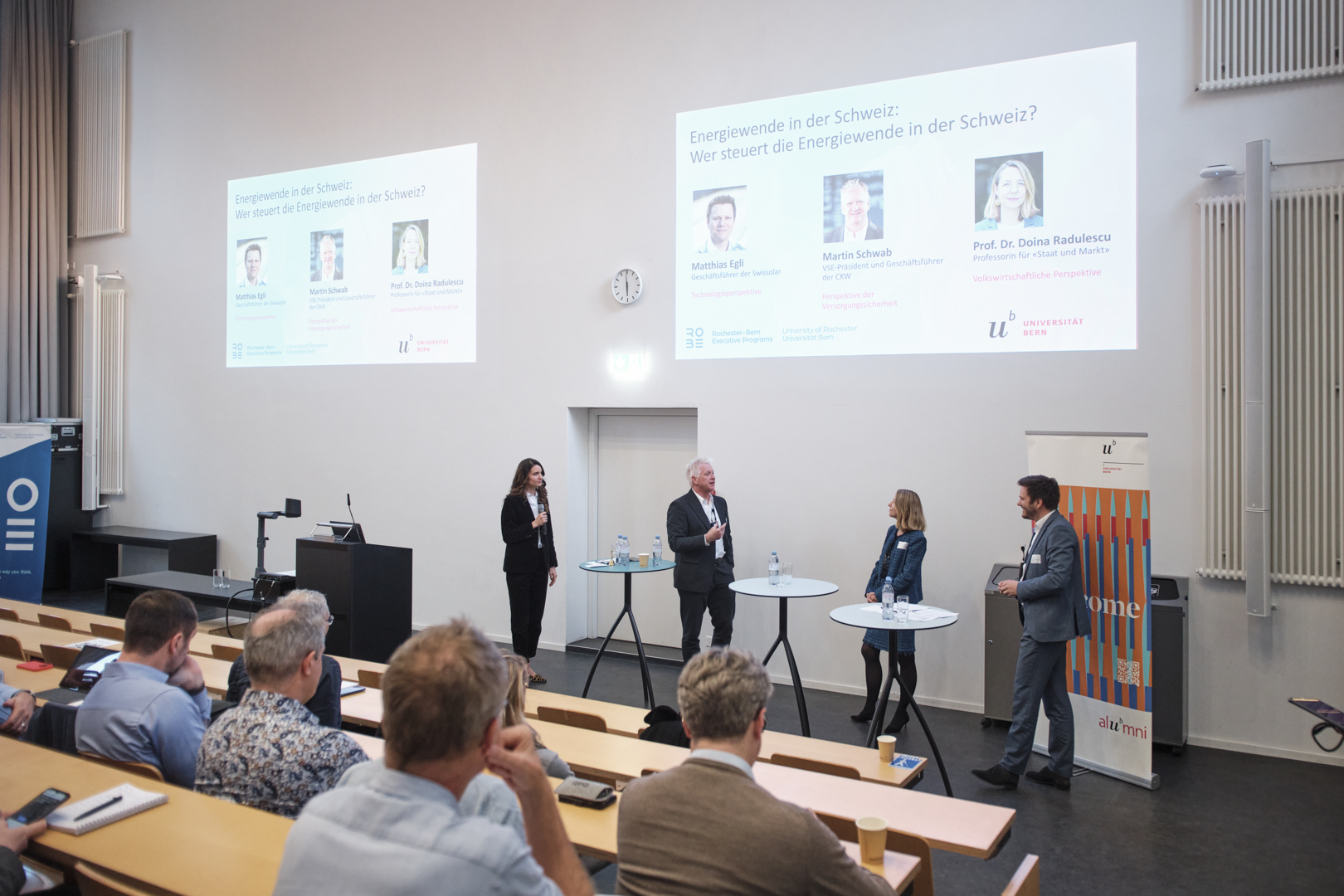
In the second debate, Prof. Dr. Doina Radulescu, Professor of "State and Market" at the University of Bern, Martin Schwab and Matthias Egli, Managing Director of Swissolar, discussed who is steering the energy transition in Switzerland and what role the state, market and various stakeholders play in this. It was emphasized that no single player can steer the transformation alone. Rather, it requires an interplay of politics, regulation, business and innovation. Appropriate regulation that creates the right cost and incentive structures is crucial, as blanket solutions for such a complex system are unlikely to work.
A central point was market liberalization in the energy sector. Today's energy system is historically based on a monopoly system that is over a hundred years old, which is why liberalization first requires a new regulatory framework. One example of this is that private individuals have only been allowed to sell electricity - from their own solar systems, for example - to neighbors since 2018.

Solar energy has become much more important in recent years and now accounts for around 17% of electricity production in Switzerland. At the same time, there is a challenge: in summer there is sometimes an oversupply, which can lead to negative electricity prices. Therefore, framework conditions are needed that both enable functioning markets and secure the electricity supply in winter.
Another important topic was security of supply. It was emphasized that this is not only a question of the amount of energy, but also of what costs and risks a society is prepared to bear. At the same time, it was emphasized that a future energy system must be based on a combination of different technologies as well as storage options and flexibility.
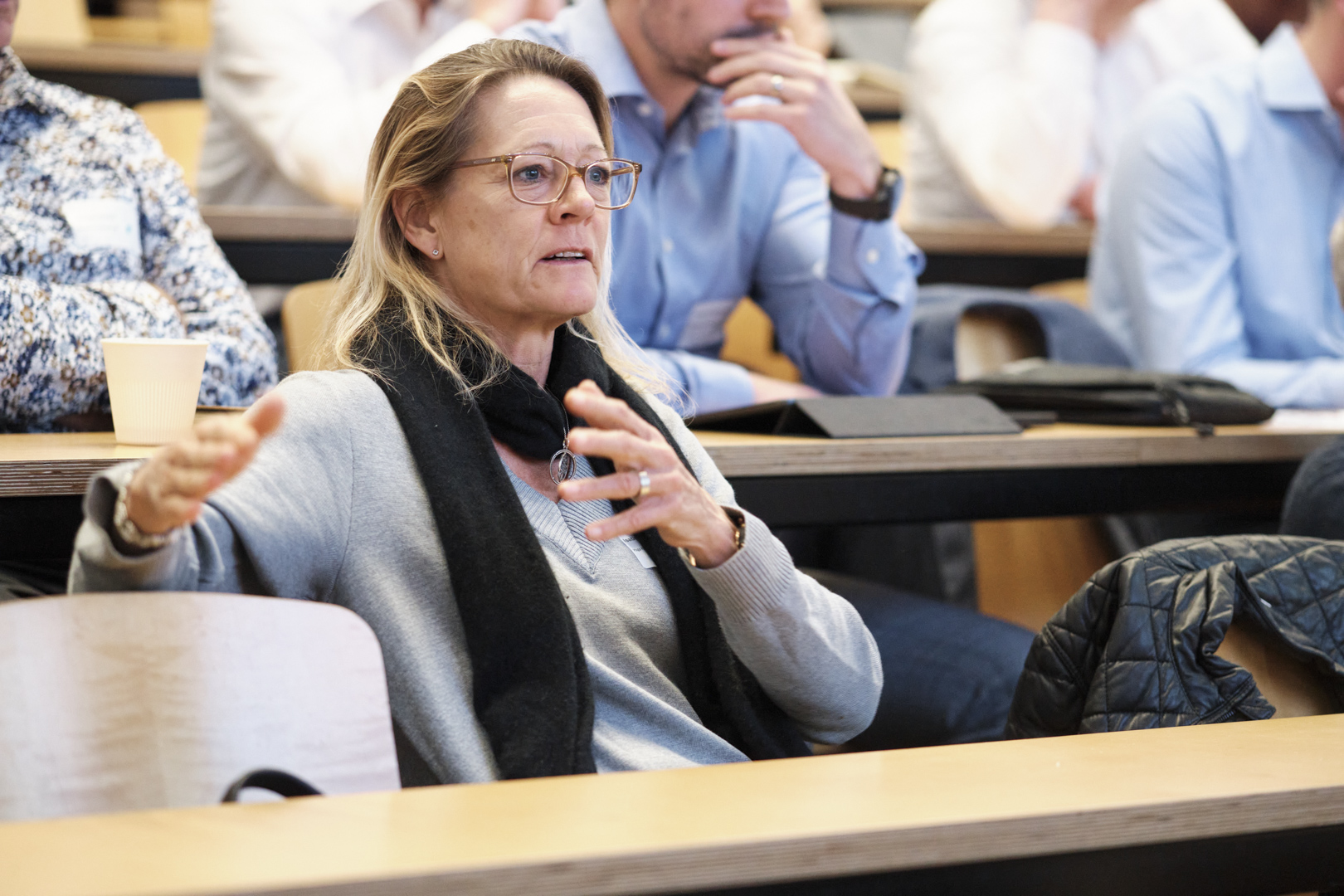
In conclusion, it was noted that Switzerland has already made significant progress. For the future, innovation, storage technologies and flexible energy systems in particular are seen as crucial, while balanced regulation must ensure the interaction between the various players.

The debates were rounded off with an aperitif where the participants and speakers were able to continue their discussions.


